Table of Contents
- What Mobile Truck Repair Warranty Coverage Actually Includes
- Commercial Vehicle Service Contract Exclusions You Need to Know
- OEM vs Aftermarket Truck Warranty: Which Plan Protects You Better
- The Truck Repair Claim Process: Step-by-Step for Mobile Repairs
- Using a Mobile Mechanic for Warranty Repairs: What Providers Require
- Warranties vs. Commercial Truck Insurance: Understanding the Difference
- Frequently Asked Questions
Last Updated: August 15, 2026
What Mobile Truck Repair Warranty Coverage Actually Includes
Mobile truck repair warranty coverage is a service agreement that pays for parts and labor when a covered mechanical component fails on your commercial vehicle, regardless of whether the repair happens at a fixed shop or roadside. For owner-operators and fleet managers, understanding exactly what’s covered before a breakdown occurs is the difference between a manageable delay and a catastrophic out-of-pocket expense.
Key Components Typically Covered: ECM, DPF, Powertrain, and More
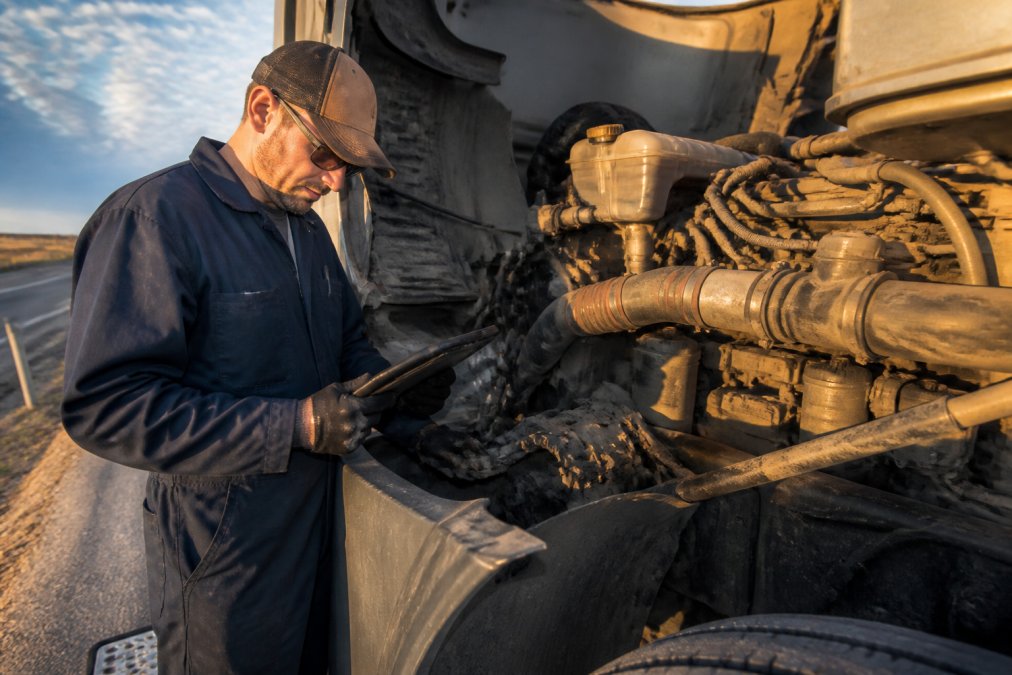
Most commercial vehicle service contracts cover mechanical breakdown of major systems:
- Powertrain: Engine block, cylinder heads, crankshaft, camshaft, transmission gears, and torque converter
- Electronic Control Module (ECM): The truck’s primary computer, which governs fuel injection, emissions, and engine timing
- Diesel Particulate Filter (DPF) and After-Treatment System: Covered under many OEM and premium aftermarket plans, though some exclude wear-related DPF failures
- Brake System: Master cylinder, wheel cylinders, and calipers, but not pads or rotors, which are classified as wear items
- Air Compressor: A critical component for air brake systems on Class 7 and Class 8 trucks
- Fuel System: Injectors, fuel pump, and fuel rails in most powertrain-inclusive plans
The ECM and DPF are worth calling out specifically. Both are expensive to replace and increasingly central to emissions compliance under EPA emissions standards for heavy-duty vehicles. A plan that excludes the after-treatment system is a significant gap for any diesel operator running post-2010 emissions equipment.
Coverage Terms: Time Limits, Mileage Limitations, and Deductibles
Commercial truck warranty terms are defined by two hard limits: time and mileage. A typical extended service contract might run 24 months or 200,000 miles, whichever comes first. Deductibles vary widely, some plans carry a per-visit deductible, others apply it per-component. A per-component deductible can add up quickly when a single breakdown involves multiple failed parts.
Most plans require that the failure be sudden and mechanical, not gradual degradation. This distinction becomes critical when a warranty provider’s adjuster reviews your repair invoice.
Commercial Vehicle Service Contract Exclusions You Need to Know
The exclusions section is where most warranty disputes originate. Common exclusions across most plans include:
- Routine maintenance (oil changes, filter replacements, fluid flushes)
- Wear items: brake pads, rotors, clutch discs, belts, and hoses
- Damage caused by lack of maintenance or deferred service intervals
- Pre-existing conditions at the time of contract purchase
- Modifications or non-OEM parts installed before or during the coverage period
- Environmental damage, corrosion, and freeze damage
- Tires, wheels, and cosmetic components
Routine Maintenance vs. Mechanical Breakdown: Where the Line Falls
Routine maintenance is preventative work performed on a schedule, such as oil changes and coolant flushes. Mechanical breakdown is a sudden, unexpected failure of a covered component. A turbocharger that fails because of oil starvation may be denied if service records show the oil change interval was exceeded. The warranty provider’s position: the failure was caused by inadequate maintenance, not a covered mechanical defect.
This is why maintaining meticulous service records is not optional. According to Federal Motor Carrier Safety Administration maintenance recordkeeping requirements, commercial motor vehicle operators are required to maintain records of all inspections, repairs, and maintenance. Those same records are your primary defense in a warranty claim dispute.
Missing or incomplete service records are the single most common reason [warranty claims](/emergency-roadside-services/) get denied. If you cannot document that scheduled maintenance was performed on time, a provider can argue that operator neglect caused the failure, and they will.
OEM vs Aftermarket Truck Warranty: Which Plan Protects You Better
The OEM vs aftermarket truck warranty decision comes down to vehicle age, expected mileage, and how much customization your operation requires.
OEM (Original Equipment Manufacturer) Coverage comes from the truck manufacturer directly. Repairs must be performed at an authorized dealership or licensed repair facility. OEM coverage offers tight component integration and no disputes about part compatibility. The trade-off: it expires, often before the truck’s most failure-prone mileage range, and repair options are limited to the dealer network.
Aftermarket Extended Service Contracts are sold by third-party administrators and cover vehicles that have aged out of OEM coverage. The quality of these plans varies significantly. The best plans mirror OEM coverage on major systems.
| Feature | OEM Warranty | Aftermarket Service Contract |
|---|---|---|
| Coverage Scope | Factory components, tightly defined | Varies by plan; can be comprehensive or limited |
| Repair Facility | Authorized dealership only | Often any licensed facility; some allow mobile mechanics |
| Mileage Limits | Set at purchase; often lower | Negotiable; can extend to high-mileage vehicles |
| Deductible | Typically low or none | Varies; per-visit or per-component |
| Transferability | Often transferable on resale | Depends on contract terms |
| Best For | New trucks under factory terms | High-mileage trucks, owner-operators, fleets |
For a truck running 150,000 miles per year, OEM coverage expires fast. A well-structured aftermarket plan with clear component definitions and a mobile mechanic allowance often provides better practical value for working trucks.
When evaluating an aftermarket service contract, ask the provider directly: “Does this plan authorize mobile mechanic repairs, and what is the pre-authorization process?” If they can’t answer clearly, that’s your answer.
The Truck Repair Claim Process: Step-by-Step for Mobile Repairs
The truck repair claim process for mobile repairs follows the same core sequence as shop-based claims, but the documentation burden falls more heavily on the operator.
Step 1: Confirm Coverage Before Anything Else
Call your warranty provider the moment you identify a potential covered failure. Confirm the component is covered under your plan and get a claim reference number.
Step 2: Request Pre-Authorization
Most service contracts require pre-authorization before repairs begin. Repairs performed without prior authorization are almost universally denied.
Step 3: Provide the Vehicle Identification Number (VIN)
The VIN ties the claim to your specific vehicle and coverage terms.
Step 4: Identify a Qualified Repair Facility or Mobile Mechanic
Confirm with the provider whether mobile mechanics are authorized under your plan. Get that confirmation in writing or as a reference number in the claim file.
Step 5: Obtain a Repair Invoice
The invoice must itemize parts and labor separately, list the specific components replaced, and include the mechanic’s credentials or business license information.
Step 6: Submit Documentation
Submit the repair invoice, pre-authorization reference, VIN, and any supporting service records to the provider within the claim window specified in your contract.
CALL or TEXT NOW:712-827-0207 →
Pre-Authorization Protocols: What to Do Before the Wrench Turns
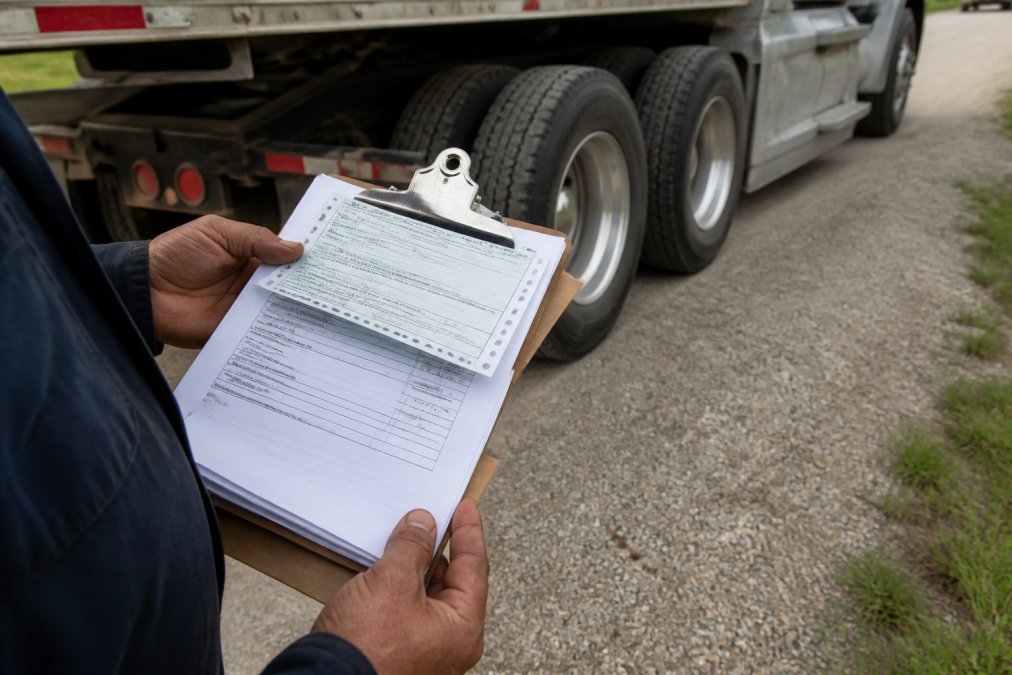
Pre-authorization is the most commonly skipped step in roadside warranty claims, and skipping it is almost always fatal to the claim. The protocol exists so the warranty provider can verify coverage, approve the repair scope, and set a parts allowance before costs are incurred.
The pre-authorization call typically requires: your contract number, VIN, current mileage, the failed component, and the proposed repair. Get the authorization number and write it on the repair invoice. No authorization number means no reimbursement.
Documentation Checklist for a Successful Warranty Claim
Use this checklist before submitting any claim:
- Pre-authorization number obtained and recorded
- VIN confirmed and matches coverage contract
- Current odometer reading documented
- Repair invoice itemizes parts and labor separately
- Failed parts retained for potential inspection by provider
- Mobile mechanic’s license or certification on file
- Service records showing maintenance compliance included
- Diagnostic trouble codes (DTCs) printed or photographed
- Claim submitted within the contract’s filing window
Using a Mobile Mechanic for Warranty Repairs: What Providers Require
Mobile truck repair warranty coverage that explicitly allows mobile mechanics is a relatively recent development in the service contract market. Many older plans were written assuming repairs happen at a fixed licensed repair facility. If your contract was issued more than three years ago, it may not address mobile mechanics at all.
The key requirement across most plans that do allow mobile mechanics: the technician must operate as a licensed business entity, carry liability insurance, and in many cases hold ASE certification or equivalent credentials.
How to Verify a Mobile Mechanic Meets Warranty Provider Standards
Before scheduling a mobile repair under warranty, run through this verification process:
- Confirm the provider allows mobile mechanics. Get this in writing during the pre-authorization call.
- Obtain the mechanic’s business license number. Check your state’s requirements through your state’s Secretary of State business registry.
- Verify liability insurance. Ask for a certificate of insurance.
- Confirm ASE certification or equivalent. The ASE certification verification tool allows you to confirm a technician’s credentials in real time.
- Document everything. The mechanic’s credentials should appear on the repair invoice submitted with the claim.
The verification process for mobile mechanics is your responsibility as the operator, not the warranty provider’s. If you submit a claim for a repair performed by an unqualified technician, the provider has grounds to deny it regardless of whether the component was covered.
A legitimate mobile diesel operation will have no hesitation providing license numbers, insurance certificates, and technician credentials.
Warranties vs. Commercial Truck Insurance: Understanding the Difference
Commercial truck insurance and commercial truck warranties address different categories of financial risk, and confusing the two is a costly mistake.
Commercial truck insurance covers liability, cargo loss, collision damage, and in some cases comprehensive physical damage. It pays when something external happens to your truck: an accident, theft, or weather event. Insurance does not pay for mechanical failure.
A commercial truck warranty or service contract covers mechanical breakdown of specific components. It pays when something internal fails: an engine component, a transmission gear, an ECM. It does not cover accident damage or liability.
If your DPF fails on the highway, your insurance company will not pay for it. That’s a warranty claim. If another driver hits your truck, your warranty provider will not pay for the body damage. That’s an insurance claim.
Some operators also confuse breakdown protection, which is a roadside assistance add-on, with warranty coverage. Breakdown protection typically covers towing reimbursement and basic roadside services. It does not cover the cost of parts and labor for the repair itself.
Operating a commercial motor vehicle requires both adequate insurance and a documented maintenance program. Neither substitutes for the other, and neither substitutes for a warranty. Knowing which number to call first, and having your warranty contract’s pre-authorization line saved in your phone, is the kind of preparation that gets you back on the road faster.
Breakdowns don’t wait for business hours, and neither does the paperwork problem that kills warranty claims. Mudhollow Diesel Mechanics brings fully equipped mobile diesel repair directly to your location, with the computer diagnostics capability to generate the fault codes and repair documentation your warranty provider requires. Our service trucks carry the tools and credentials to meet most provider standards for authorized mobile repairs. Call or text Mudhollow Diesel Mechanics now at 712-827-0207 and get a technician moving toward your location.
Frequently Asked Questions
Can I use a mobile mechanic for extended warranty claims?
Many extended service contracts and aftermarket warranty plans allow repairs at any licensed repair facility, which can include qualified mobile mechanics. The catch is pre-authorization: you must call the warranty provider before repairs begin and confirm the mobile mechanic meets their requirements. Some OEM warranties restrict repairs to franchised dealerships, so check your specific coverage terms before scheduling a mobile repair to avoid a claim denial.
What are the most common exclusions in commercial truck repair warranties?
Routine maintenance items top the exclusion list: oil changes, filter replacements, tire wear, and brake pads are almost never covered. Damage caused by neglecting scheduled service intervals, improper loading, or operator error is also routinely denied. Many commercial vehicle service contracts exclude wear items on the fifth wheel, clutch components, and glass. Pre-existing conditions found during the inspection period are another frequent source of claim denial.
How do I verify a mobile repair is covered by my OEM warranty?
Contact your OEM warranty administrator directly before any work starts. Give them the vehicle identification number, describe the component failure, and ask whether a mobile mechanic qualifies as an authorized repair facility under your coverage terms. Request written or emailed confirmation. Keep that confirmation with your repair invoice and service records. Without pre-authorization, OEM warranty providers can and often do deny reimbursement, even for otherwise covered parts and labor.
How do aftermarket warranty plans differ from OEM coverage for mobile repairs?
Aftermarket warranty plans, sometimes called extended service contracts, are generally more flexible about which repair facility you use, making them friendlier to mobile mechanic repairs. OEM coverage typically requires repairs at a franchised dealership service center. Aftermarket plans vary widely in what components they cover, their deductible amounts, and their pre-authorization requirements, so reading the full contract before a breakdown is far more useful than reading it after one.
This article was written using GrandRanker