Table of Contents
- Why Mobile Diesel Mechanic Services Matter for Western Iowa Operators
- Mobile Diesel Mechanic Hourly Rates and Pricing Models
- 24/7 Roadside Truck Repair in Iowa: What to Expect
- Preventive Maintenance for Commercial Diesel Engines
- Common Roadside Diesel Failures and Mobile Repair Solutions
- Mobile Diesel Mechanic Services for Fleets and Owner-Operators
- How to Choose a Reliable Mobile Diesel Mechanic
- Frequently Asked Questions
Last Updated: August 26, 2026
Why Mobile Diesel Mechanic Services Matter for Western Iowa Operators
When your semi breaks down on I-80 at 2 AM, a mobile diesel mechanic isn’t a luxury, it’s the difference between losing eight hours and losing eight days. The reality for owner-operators and fleet managers across western Iowa is brutal: traditional tow-to-shop workflows cost thousands in lost revenue, and dealership repair queues can stretch for weeks. A mobile diesel mechanic brings diagnostics and heavy-duty tools directly to you, whether you’re stranded on the shoulder, parked at a rest stop, or sitting idle at your loading dock.
Mudhollow Diesel Mechanics operates this exact model across western Iowa, eliminating the expensive tow-truck dependency that has traditionally defined roadside breakdowns. Instead of waiting for a wrecker and then waiting again at a shop, you get on-site diagnostics within hours and repairs that resolve most common failures before the sun rises. For commercial fleets and owner-operators, this isn’t just convenience, it’s operational survival.
The mobile diesel mechanic model addresses three critical pain points: tow costs that can exceed $500 per incident (the FDA), shop downtime that stretches repairs into multi-day affairs, and the helplessness of being stranded miles from the nearest qualified technician. Agricultural haulers, RV owners, and trucking companies in the region have learned that a rapid on-site response often costs less overall than the traditional tow-and-wait cycle, even when accounting for mobile service premiums.
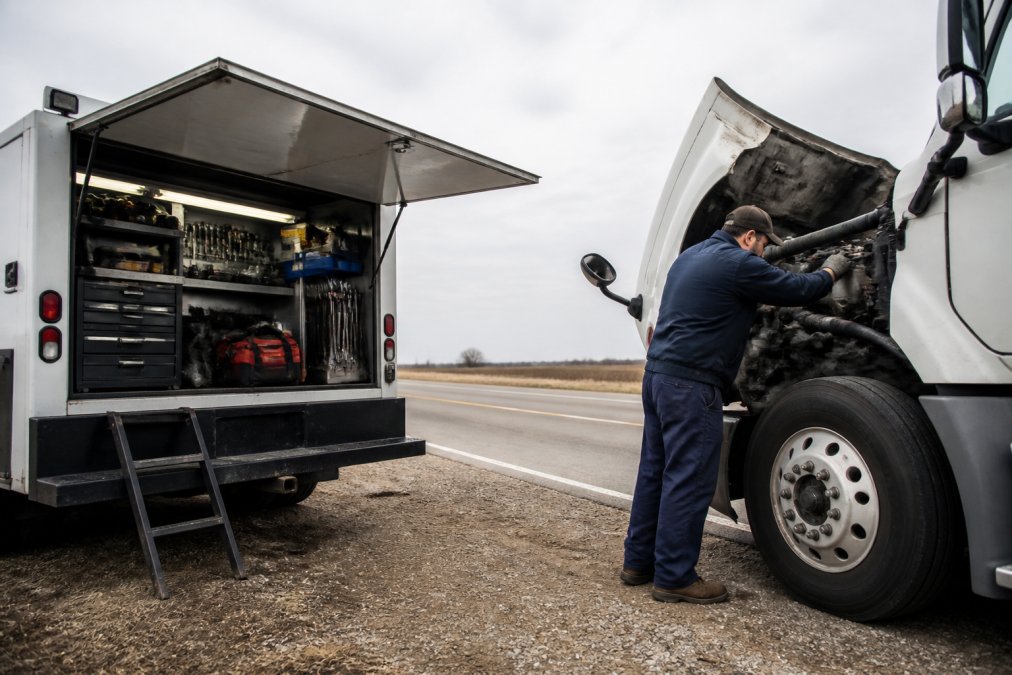
Most roadside breakdowns that seem catastrophic, frozen fuel lines, air system failures, electrical gremlins, resolve in 30 minutes to 2 hours when a properly equipped mobile mechanic arrives. The same repairs at a dealership often take a full day just to get on the schedule.
Mobile Diesel Mechanic Hourly Rates and Pricing Models
Hourly rates for mobile diesel mechanics vary based on complexity, location, and the specific services required. Rather than guessing at costs, contact Mudhollow Diesel Mechanics directly for a quote tailored to your situation, pricing depends on the nature of the repair, your service location, and current demand.
What matters more than raw hourly rates is the total cost equation. A mobile diesel mechanic who charges more per hour but resolves your problem in 45 minutes beats a shop that charges less per hour but keeps your vehicle for three days. The math shifts further when you factor in tow costs, lost revenue during downtime, and the risk of secondary failures during transport.
Fleet managers should understand the pricing models available: some mobile services charge hourly rates only, others bundle service calls with diagnostics fees, and a growing number offer flat rates for common repairs like starter replacement or fuel system clearing. Transparent pricing, where you know the cost before work begins, matters more than finding the cheapest hourly rate.
Avoid services that quote prices over the phone without understanding your specific breakdown. A fuel system issue on a Cummins engine requires different diagnostics than an electrical problem on a Duramax. Vague quotes often become surprises when the technician arrives.
24/7 Roadside Truck Repair in Iowa: What to Expect
Round-the-clock availability separates serious mobile diesel mechanics from part-time operators. True 24/7 roadside truck repair means a dispatcher answers at 2 AM, not an automated message telling you to call back during business hours. It means technicians rotate shifts to cover late-night breakdowns on I-80 and I-29, not just daytime emergencies.
When you call for emergency breakdown support, expect a dispatcher to ask three critical questions: your exact location, what the vehicle is doing (or not doing), and what warning lights or symptoms appeared. This information determines which technician rolls and what tools they bring. A fuel system failure requires different equipment than a transmission issue, and a good dispatcher routes accordingly.
Response times for 24/7 roadside truck repair typically range from 30 minutes to 2 hours, depending on your distance from the service base and current call volume. Mudhollow Diesel Mechanics operates across western Iowa with multiple service trucks positioned to minimize response delays. If you’re on I-80 near the Nebraska border or I-29 near Missouri, response times may extend slightly, but the commitment remains: mobile technicians dispatch to your location rather than you waiting for a tow.
The on-site repair process follows a predictable sequence. The technician arrives with mobile computer diagnostics to read fault codes and identify the root cause. Minor fixes, air line reconnection, fuel filter change, electrical connector reseating, resolve on the spot. More complex issues trigger a decision point: can it be repaired roadside with parts the truck carries, or does it require shop facilities or ordered components?
The best 24/7 roadside services don’t promise to fix everything at the roadside. They promise to diagnose accurately, fix what’s possible, and communicate clearly about what requires towing or waiting for parts. Honesty about limitations builds trust faster than false promises.
Preventive Maintenance for Commercial Diesel Engines
Preventive maintenance for commercial diesel engines is the difference between predictable maintenance costs and catastrophic roadside failures. A diesel engine running 100,000+ miles annually accumulates stress that gasoline engines never face. Fuel systems, turbochargers, and aftertreatment systems require scheduled attention to prevent the failures that strand you on the highway.
DOT Compliance and Safety Inspections
Federal DOT regulations mandate annual inspections for commercial vehicles, and many states impose additional requirements (fmcsa.dot.gov). These inspections cover braking systems, lighting, tires, coupling devices, and steering components. A mobile diesel mechanic can perform DOT compliance inspections at your yard or terminal, documenting the work and ensuring your fleet passes roadside inspections without surprise failures.
Safety inspections catch wear patterns before they become violations. Brake pad thickness, tire tread depth, and hose condition deteriorate gradually, but a structured inspection schedule prevents the scenario where a state trooper flags your vehicle out of service during a routine stop. For fleet managers operating multiple vehicles, scheduled compliance inspections also create a maintenance record that demonstrates due diligence if an an accident occurs.
Fleet Maintenance Scheduling and Downtime Reduction
Fleet maintenance scheduling requires balancing preventive work against operational demands. A hauler can’t afford to park three agricultural trucks for a full day of maintenance during harvest season, but deferring maintenance until winter creates a bottleneck when every vehicle needs service simultaneously.
Mobile diesel mechanics solve this scheduling tension by coming to your yard during off-hours or between loads. Fuel filter changes, oil service, hose replacement, and electrical diagnostics happen while vehicles sit idle at night or during weather delays. This approach spreads maintenance across the year rather than creating seasonal crises.
Uptime optimization means knowing which repairs are urgent and which can wait. A slow fuel leak requires attention but not immediately; a transmission temperature warning requires immediate diagnostics. A mobile mechanic with diagnostic software can triage these decisions, helping you prioritize maintenance work and avoid unnecessary downtime.
Common Roadside Diesel Failures and Mobile Repair Solutions
Certain failures dominate roadside breakdowns because they’re common across diesel engines and often fixable on-site. Understanding these failures helps you recognize warning signs before catastrophic breakdown occurs.
Electrical Troubleshooting and Diagnostics
Electrical failures represent a substantial portion of roadside calls, alternator output drops, battery voltage sags, or parasitic draws that drain batteries overnight. These failures seem mysterious without proper diagnostics. A truck runs fine in the morning, then won’t crank eight hours later. The cause could be a failing alternator, a shorted circuit, or a battery reaching end-of-life.
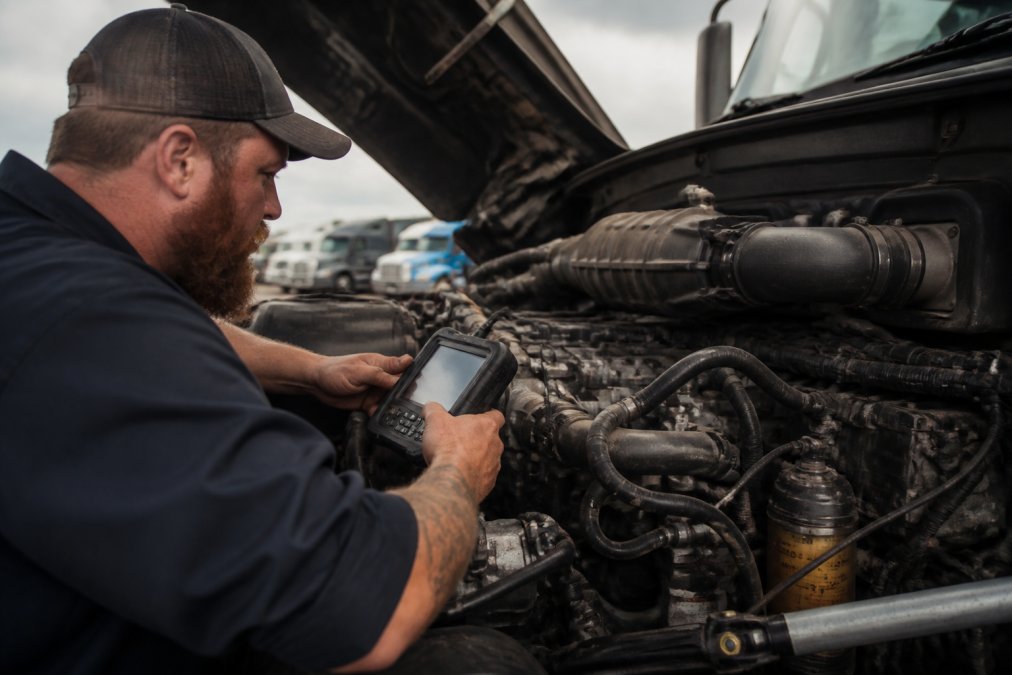
Mobile computer diagnostics read fault codes that point toward the root cause. A code indicating low alternator output immediately narrows the field. Electrical troubleshooting then involves checking connections, testing voltage at key points, and isolating the failed component. Most alternator failures resolve with replacement; many electrical gremlins clear once a corroded connection is cleaned or a loose ground wire is reseated.
Fuel System and Engine Overhaul Issues
Fuel system failures range from simple (clogged fuel filter) to complex (fuel pump failure or injector malfunction). Frozen fuel lines represent a seasonal failure in northern climates, diesel gels in extreme cold, blocking fuel flow and leaving the engine unable to start. A mobile diesel mechanic can thaw frozen lines and add fuel conditioner to prevent recurrence.
Injector problems and fuel pump failures require more involved diagnostics. Computer fault codes guide the diagnosis, but confirming a fuel pump failure often requires fuel pressure testing at multiple engine states. Engine overhaul issues, internal bearing wear, compression loss, or turbo degradation, exceed roadside repair scope but can be diagnosed on-site, allowing you to decide whether to repair at a shop or continue to a destination for more extensive work.
CALL or TEXT NOW:712-827-0207 →
Mobile Diesel Mechanic Services for Fleets and Owner-Operators
Heavy-Duty Truck and Trailer Repair
Heavy-duty truck and trailer repair encompasses the powertrain, brake systems, hydraulic systems, and structural components that distinguish commercial vehicles from consumer trucks. A mobile diesel mechanic handles brake adjustments, hose replacement, air line repair, and suspension work at your location. Trailer maintenance, landing gear repair, coupling inspection, and brake service, often happens at loading docks or yards rather than requiring a trip to a shop.
The complexity increases with specialized equipment. Reefer trailers require refrigeration system diagnostics. Flatbed trailers need structural inspection. Dump trailers depend on hydraulic systems that fail under heavy use. A mobile service equipped for these repairs eliminates the need to deadhead to a distant shop.
Agricultural Equipment and RV Diesel Service
Agricultural equipment repair demands seasonal expertise. Diesel engines in combines, balers, and grain haulers sit idle during off-season, then face intense use during harvest. Preventive maintenance before season start, fuel system cleaning, filter replacement, belt inspection, prevents mid-harvest breakdowns that cost days of lost productivity.
RV diesel service follows a different pattern. Motorhome owners often travel far from home, and a breakdown while traveling creates logistical nightmares. Mobile diesel mechanics can diagnose and repair RV issues at campgrounds or rest areas, allowing owners to continue their journey without expensive towing or extended shop waits.
How to Choose a Reliable Mobile Diesel Mechanic
Technician Certification and Equipment Standards
ASE (Automotive Service Excellence) certification indicates a technician has passed rigorous testing in diesel engine repair and related systems (ase.com). Look for technicians holding ASE Heavy Truck credentials, which require both written exams and documented work experience. Certification alone doesn’t guarantee quality, but it establishes a baseline of knowledge and commitment to professional standards.
Equipment standards matter equally. A mobile diesel mechanic should carry computer diagnostic tools capable of reading manufacturer-specific fault codes, not just generic scanners. Modern diesel engines rely on electronic controls for fuel injection, emissions systems, and engine management. A technician without proper diagnostic equipment is essentially working blind, guessing at problems rather than identifying root causes.
Safety and compliance standards extend beyond individual technician credentials. Mobile operations must follow OSHA guidelines for roadside work, maintain proper licensing for the services they offer, and carry appropriate insurance. A legitimate mobile diesel mechanic carries garage liability insurance protecting you if something goes wrong during on-site service.
Response Time and Service Radius Coverage
Response time commitments should be specific and realistic. A service promising 30-minute response anywhere in a five-state region is making promises it can’t keep. Mudhollow Diesel Mechanics operates within western Iowa with response time targets that account for actual geography. I-80 corridor calls receive faster response than remote rural locations, and that transparency matters more than unrealistic guarantees.
Service radius coverage determines whether a mobile diesel mechanic can actually reach you when you break down. Some services operate within 50 miles of their base; others cover 150+ miles. Know the service area before relying on a provider. A mobile mechanic based in Cedar Rapids won’t reach you quickly if you break down near the Missouri border.
Ask prospective mobile diesel mechanics for specific response time data from the past month. If they won’t provide numbers, they’re either hiding poor performance or don’t track metrics seriously. Real providers measure and improve response times.
Choosing a mobile diesel mechanic comes down to three factors: technical capability (certification and diagnostic equipment), geographic coverage (can they actually reach you), and operational reliability (do they answer 24/7 calls consistently). Mudhollow Diesel Mechanics meets these standards across western Iowa, providing fully equipped mobile service with computer diagnostics and rapid response. Call or text 712-827-0207 to discuss your breakdown, maintenance schedule, or fleet support needs. Getting back on the road quickly starts with a mechanic who comes to you instead of making you come to them.
=== FAQ ANSWERS (audit these too, same rules) ===
[1] Q: What is the typical response time for a mobile diesel mechanic in western Iowa?
A: Response times vary depending on location and current demand. Mudhollow Diesel Mechanics aims for rapid arrival. Always confirm ETA and availability when you call, especially during peak travel seasons or late-night hours. Mudhollow Diesel Mechanics offers 24/7 dispatch with confirmed arrival times before service trucks roll.
[2] Q: Is it cheaper to use a mobile diesel mechanic or tow to a shop?
A: Mobile diesel mechanic services often cost less overall because you avoid towing fees, which can run $300-$500 or more depending on distance. Most roadside repairs are completed on-site in less time than traditional shop visits, reducing labor hours. However, complex repairs requiring parts ordered overnight may still require eventual shop work. Compare the full cost: tow fee plus shop labor versus mobile service labor rates. For simple fixes like air line failures, frozen fuel lines, or starter replacements, mobile service typically saves money.
[3] Q: What services can a mobile diesel mechanic perform on the side of the road?
A: Mobile diesel mechanics handle a wide range of roadside repairs including battery boosts, fuel delivery, air line failures, frozen fuel lines, starter replacements, brake adjustments, belt and hose replacement, electrical troubleshooting, and computer diagnostics for check engine lights. They can also perform fluid leak detection, wheel seal service, and emergency repairs to get you rolling quickly. More complex work like engine overhauls or major transmission repairs may require towing, but initial diagnostics happen on-site using modern computer diagnostic tools.
[4] Q: Do mobile diesel mechanics in Iowa provide 24/7 emergency service?
A: Mudhollow Diesel Mechanics offers 24/7 emergency roadside assistance, especially serving I-80 and I-29 corridors where traffic never stops. When you call for emergency service, confirm availability and get a confirmed ETA before you wait. Coverage varies by provider and service area, so verify that your location falls within their service radius before you break down.
[5] Q: What should I look for when hiring a mobile diesel mechanic?
A: Prioritize technician certification (ASE or ATI certified technicians indicate professional standards), modern diagnostic equipment (computer-based tools that read manufacturer-specific fault codes), and proven response time in your area. Confirm they carry appropriate insurance and can handle your specific vehicle type (semi-trucks, trailers, RVs, or agricultural equipment). Ask about their service radius to ensure they can reach you. Check whether they offer transparent pricing or require direct quotes. Verify they stock common replacement parts or can source them quickly.
Frequently Asked Questions
Q: What is the typical response time for a mobile diesel mechanic in western Iowa?
A: Response times vary depending on location and current demand. Mudhollow Diesel Mechanics aims for rapid arrival. Always confirm ETA and availability when you call, especially during peak travel seasons or late-night hours. Mudhollow Diesel Mechanics offers 24/7 dispatch with confirmed arrival times before service trucks roll.
Q: Is it cheaper to use a mobile diesel mechanic or tow to a shop?
A: Mobile diesel mechanic services often cost less overall because you avoid towing fees, which can run $300-$500 or more depending on distance. Most roadside repairs are completed on-site in less time than traditional shop visits, reducing labor hours. However, complex repairs requiring parts ordered overnight may still require eventual shop work. Compare the full cost: tow fee plus shop labor versus mobile service labor rates. For simple fixes like air line failures, frozen fuel lines, or starter replacements, mobile service typically saves money.
Q: What services can a mobile diesel mechanic perform on the side of the road?
A: Mobile diesel mechanics handle a wide range of roadside repairs including battery boosts, fuel delivery, air line failures, frozen fuel lines, starter replacements, brake adjustments, belt and hose replacement, electrical troubleshooting, and computer diagnostics for check engine lights. They can also perform fluid leak detection, wheel seal service, and emergency repairs to get you rolling quickly. More complex work like engine overhauls or major transmission repairs may require towing, but initial diagnostics happen on-site using modern computer diagnostic tools.
Q: Do mobile diesel mechanics in Iowa provide 24/7 emergency service?
A: Mudhollow Diesel Mechanics offers 24/7 emergency roadside assistance, especially serving I-80 and I-29 corridors where traffic never stops. When you call for emergency service, confirm availability and get a confirmed ETA before you wait. Coverage varies by provider and service area, so verify that your location falls within their service radius before you break down.
Q: What should I look for when hiring a mobile diesel mechanic?
A: Prioritize technician certification (ASE or ATI certified technicians indicate professional standards), modern diagnostic equipment (computer-based tools that read manufacturer-specific fault codes), and proven response time in your area. Confirm they carry appropriate insurance and can handle your specific vehicle type (semi-trucks, trailers, RVs, or agricultural equipment). Ask about their service radius to ensure they can reach you. Check whether they offer transparent pricing or require direct quotes. Verify they stock common replacement parts or can source them quickly.
This article was written using GrandRanker